Myopia Control Through Refractive Therapy: Evidence and Options
Understanding the mechanisms of axial elongation is key to managing nearsightedness. This guide examines refractive therapy and practical strategies to slow myopia progression.
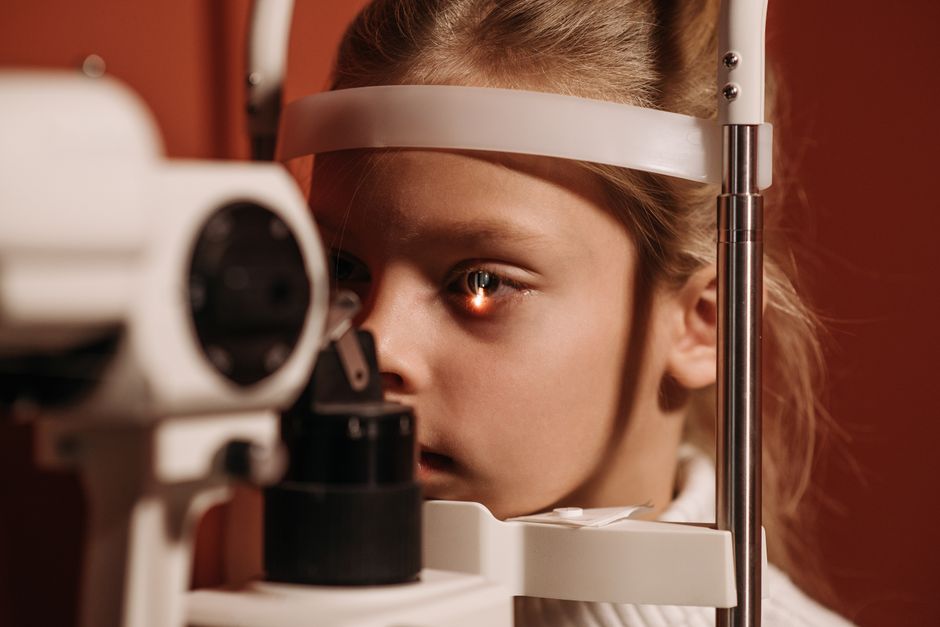
For many, the experience of myopia begins with a gradual blurring of distant objects, followed by frequent prescription increases during adolescence. While corrective lenses restore clarity, they do not stop the underlying cause: the eye growing too long. This axial elongation creates a cycle where the eye continues to stretch, increasing the risk of retinal complications later in life.
Refractive therapy focuses on slowing this progression rather than simply correcting the blur. By manipulating how light hits the retina, clinicians aim to signal the eye to stop growing, a process known as myopia control. This shift from passive correction to active management is essential for long-term ocular health.
Why it matters
The prevalence of myopia is increasing globally, driven by a combination of genetic predisposition and environmental factors. High myopia, defined as a refractive error of -6.00 diopters or more, significantly elevates the risk of myopic macular degeneration, glaucoma, and retinal detachment. According to research, managing the rate of progression in children and teens is the most effective way to reduce these lifelong risks.
Maintaining a balance of nutrients also supports general ocular health during this process. For instance, the NIH Office of Dietary Supplements on vitamin A notes that this nutrient is critical for maintaining a healthy retina and supporting night vision, though it does not cure refractive errors.
The science
The primary mechanism behind myopia progression is axial elongation, where the eyeball grows too long from front to back. This causes light to focus in front of the retina instead of directly on it. Traditional single-vision lenses correct the vision but may create “peripheral hyperopic defocus,” where light focuses behind the peripheral retina, potentially signaling the eye to grow further to reach that focal point.
Refractive therapy utilizes “peripheral defocus” to counteract this. By creating a myopic defocus in the periphery, these therapies signal the eye to slow its growth. This is achieved through specialized lens designs or pharmacological interventions that alter the eye’s focusing behavior. The goal is to stabilize the axial length, thereby limiting the increase in prescription strength over time.
Practical strategies
Optical interventions
Specialized lenses are the first line of defense in refractive therapy. These include multifocal soft contact lenses and peripheral defocus spectacle lenses. Unlike standard glasses, these designs provide a clear central zone for distance vision while creating a blurred peripheral zone that inhibits axial elongation. For those exploring non-prescription alternatives, some research into Pinhole Glasses: Science, Efficacy, and Practical Application suggests how restricting light entry can temporarily improve clarity, though these are not a substitute for clinical myopia control.
Environmental and behavioral shifts
The “20-20-20 rule” is a standard recommendation to reduce accommodative stress: every 20 minutes, look at something 20 feet away for 20 seconds. Increasing time spent outdoors is equally critical. Exposure to natural sunlight triggers the release of dopamine in the retina, which is believed to inhibit the elongation of the globe. Aiming for at least 90 to 120 minutes of outdoor light daily is a clinically supported method for slowing myopia in children.
Visual hygiene and stability
Reducing the duration of “near work” (reading, screen time) helps prevent the eye from remaining in a state of constant accommodation. Integrating Eye Exercises for Myopia Prevention: Evidence and Practicality can help maintain flexibility in the ciliary muscles, though these exercises are complementary to, not a replacement for, medical refractive therapy.
Common mistakes
- Over-correcting the prescription: Using lenses that are too strong can potentially accelerate myopia progression through induced defocus.
- Relying solely on supplements: While nutrition supports the eye, no vitamin or supplement can reverse the physical elongation of the eyeball.
- Ignoring the “near-point” distance: Holding books or screens too close to the face increases the accommodative demand on the eye.
- Neglecting regular screenings: Myopia can progress rapidly during growth spurts, making biannual exams necessary for prescription adjustments.
When to seek help
Consult an optometrist or ophthalmologist if you notice a sudden increase in the frequency of prescription changes, the appearance of new floaters, or flashes of light. These can be signs of rapid axial elongation or retinal stress. Professional intervention is required to determine if pharmacological options, such as low-dose atropine drops, are appropriate for your specific ocular anatomy.
Key takeaways
Myopia control is about managing the growth of the eye, not just correcting the vision. Peripheral defocus via specialized lenses and increased outdoor time are the most evidence-based strategies for slowing progression. Results vary from person to person, and a customized plan from a licensed eye care provider is the only way to ensure safety and efficacy.
Frequently asked
Can refractive therapy reverse myopia?
No. Refractive therapy is designed to slow or stop the progression of myopia; it cannot shorten the eyeball or “cure” nearsightedness.
Are these therapies safe for children?
Yes, most myopia control lenses and low-dose atropine are specifically designed for pediatric use, though they require strict professional supervision.
How long does it take to see results?
Progression slowing is typically measured over 6 to 12 months through axial length measurements or changes in refractive error during annual exams.
Does screen time cause myopia?
Excessive near-work is a contributing factor, but it usually interacts with genetic predispositions. The lack of outdoor light is often as significant a factor as the amount of screen time.
For full pricing, current offers, and the official guarantee, see the maker page for Sightcare.
Affiliate link · This may earn us a commission at no extra cost to you.
Reader notes (0)
No notes yet. Be the first to share your protocol experience.