Pinhole Glasses: Science, Efficacy, and Practical Application
Learn how the pinhole effect works to sharpen vision and whether these glasses provide a long-term solution or a temporary aid for refractive errors.
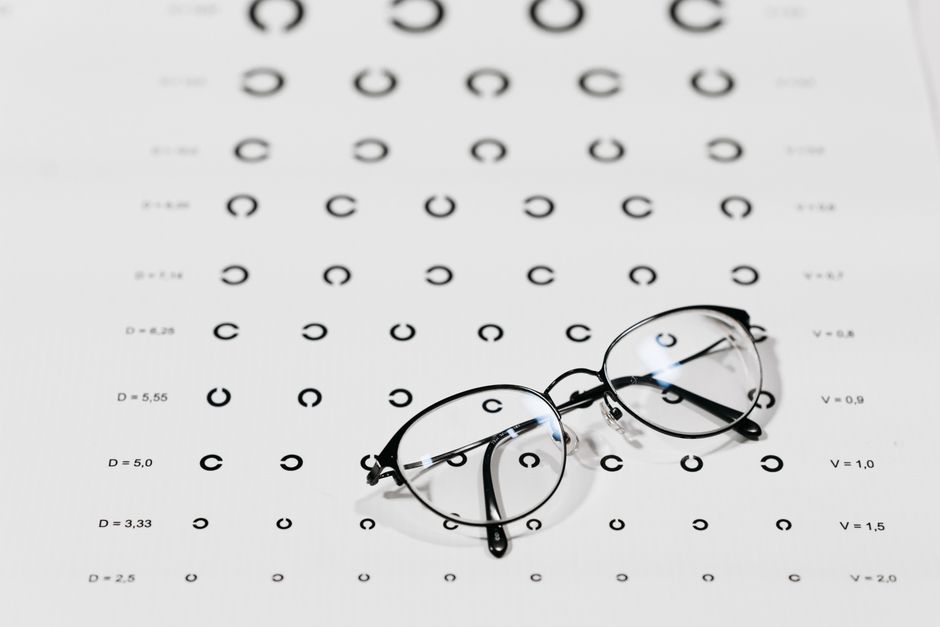
Many people experience a frustrating moment of blurriness when trying to read a label or see a distant sign, often instinctively squinting to clear their vision. This subconscious action is a biological attempt to narrow the field of light entering the eye, effectively mimicking a phenomenon known as the pinhole effect.
Pinhole glasses attempt to formalize this effect by using a perforated plastic sheet instead of clear lenses. While they are often marketed as a way to “cure” vision problems, the reality is more nuanced. Understanding the difference between temporary visual clarity and permanent refractive correction is essential for anyone considering these tools.
Why it matters
Maintaining visual acuity is critical for daily autonomy and cognitive health. Refractive errors, such as myopia or presbyopia, occur when light does not focus correctly on the retina, leading to blurred images. While corrective lenses and surgery are standard, some seek non-invasive alternatives to manage eye strain or supplement their vision care.
Visual health is not just about the lens of the eye, but also the biological support systems. For instance, systemic nutrition plays a role in maintaining the retina and cornea, including the role of vitamin A in maintaining healthy vision. When combined with proper nutrition and targeted habits, such as eye exercises for myopia prevention, users can develop a more holistic approach to ocular wellness.
The science
The mechanism behind pinhole glasses is based on the physics of light. In a standard eye with a refractive error, the light rays enter the pupil and scatter, failing to converge at a single point on the retina. This scatter creates the blur.
By forcing light through a small aperture, pinhole glasses block the peripheral light rays that would otherwise be refracted incorrectly. Only the central, parallel rays pass through. This increases the depth of field, which allows an image to appear sharper even if the eye’s lens cannot focus it perfectly. This is the same principle used in “pinhole cameras” to create a clear image without a glass lens.
It is important to note that this is an optical trick rather than a biological cure. The glasses do not change the shape of the eyeball or the curvature of the lens. Instead, they reduce the “circle of confusion” on the retina, providing a temporary increase in acuity. Results vary from person to person depending on the severity of their refractive error.
Practical strategies
If you choose to integrate pinhole glasses into your routine, they should be used as a supplementary tool rather than a replacement for prescription eyewear. Here are three ways to use them effectively.
Use for short-term focus
Pinhole glasses are most effective for tasks requiring short bursts of clarity, such as reading a menu or checking a digital clock. Because the apertures significantly reduce the amount of light entering the eye, they are not suitable for long-term wear. Limit use to 15-30 minute intervals to avoid eye fatigue.
Integrating relaxation periods
Some users find that the focused nature of pinhole glasses helps them concentrate their gaze. To maximize this, pair their use with gaze stabilization exercises to improve visual stability. This combination can help the brain and eye muscles coordinate more effectively during periods of visual stress.
Environmental lighting adjustments
Because pinhole glasses block a large percentage of incoming light, they are nearly impossible to use in dim environments. To use them safely, ensure you are in a brightly lit room or outdoors in daylight. This prevents the “tunnel vision” effect from becoming a safety hazard by ensuring enough light reaches the retina to maintain spatial awareness.
Common mistakes
- Using them for driving: The reduction in peripheral vision and light intake makes these glasses dangerous for operating vehicles or machinery.
- Expecting permanent correction: Believing that wearing these glasses will permanently “cure” myopia or hyperopia is a misconception; they provide a temporary optical effect, not a structural change.
- Overusing them in low light: Attempting to use them in the dark can lead to significant eye strain and a total loss of visual orientation.
- Ignoring underlying health issues: Relying on pinholes to mask symptoms of cataracts or glaucoma instead of seeking medical diagnosis.
When to seek help
While pinhole glasses can provide a temporary sharpen, they cannot treat disease. If you experience sudden vision loss, flashes of light, or a significant increase in “floaters,” you must consult an optometrist immediately. These symptoms may indicate retinal detachment or other urgent medical conditions that no optical tool can address. Regular screenings are the only way to detect glaucoma or macular degeneration before permanent damage occurs.
Key takeaways
Pinhole glasses work by blocking scattered light and increasing the depth of field, which temporarily improves clarity for those with refractive errors. They are a tool for temporary assistance, not a medical cure. For best results, use them in bright light for short durations and maintain a broader wellness routine that includes proper nutrition and ocular exercises. Always prioritize safety by avoiding their use during high-risk activities like driving.
Frequently asked
Do pinhole glasses permanently improve vision?
No. They provide a temporary optical effect by limiting the light entering the eye, but they do not alter the physical structure of the eye or cure refractive errors.
Can they be used instead of prescription glasses?
They can be used for specific, short-term tasks, but they are not a replacement for prescriptions due to the loss of peripheral vision and reduced light intake.
Are they safe for children?
Generally, yes, but they should be used under supervision and for short periods to ensure the child does not experience dizziness or disorientation.
Why do I feel dizzy when wearing them?
The reduction in peripheral vision can disrupt your spatial orientation and balance, which is a common reaction when the brain adjusts to the limited field of view.
For full pricing, current offers, and the official guarantee, see the maker page for Vision Hero.
Affiliate link · This may earn us a commission at no extra cost to you.
Reader notes (0)
No notes yet. Be the first to share your protocol experience.