Eye Exercises for Myopia Prevention: Evidence and Practicality
Can eye exercises truly prevent the onset of myopia? We examine the relationship between visual habits, axial length, and evidence-based strategies for eye health.
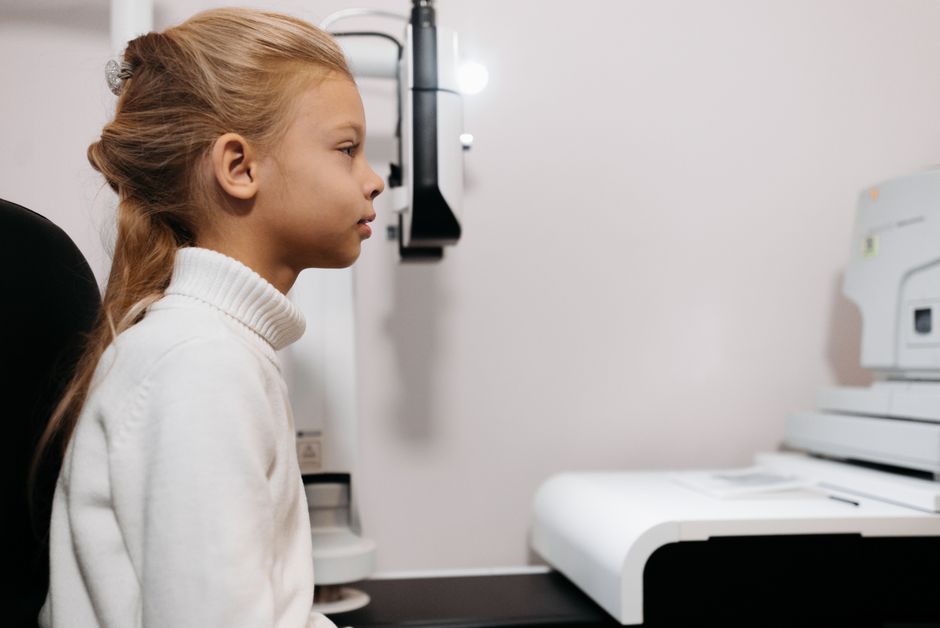
Many adults and parents notice a gradual decline in distance vision, often characterized by blurring that suggests the onset of myopia. This condition, known as nearsightedness, has seen a significant rise globally, largely attributed to the increase in “near-work” activities such as reading and screen use.
The desire to reverse or prevent this progression through eye exercises is common. While the idea of “training” the eyes to see better is appealing, it is important to distinguish between exercises that cure structural myopia and those that manage the symptoms of visual fatigue.
Why it matters
Myopia occurs when the eye grows too long (axial elongation) or the cornea is too curved, causing light to focus in front of the retina rather than on it. This structural change is often permanent. However, managing the environmental triggers that accelerate this process is critical for long-term ocular health. According to the CDC’s guidelines on physical activity, regular movement and outdoor time are essential for overall health, which includes the physiological development of the eye.
Reducing the load on the ciliary muscles – the muscles responsible for focusing the lens – can prevent “pseudomyopia.” This is a temporary state where the eye becomes locked in a near-focus state, mimicking permanent nearsightedness. Implementing a structured approach to visual hygiene can mitigate this strain.
The science
The mechanism behind myopia prevention focuses on two primary areas: accommodative flexibility and dopamine release. When the eye focuses on a close object for hours, the ciliary muscle remains contracted. Over time, this can lead to accommodative spasm. Exercises that force the eye to shift focus from near to far help the ciliary muscle relax and regain its flexibility.
Furthermore, exposure to natural sunlight triggers the release of dopamine in the retina, which is believed to inhibit the excessive growth of the eyeball. This is why outdoor time is more effective than indoor exercises alone. Nutrition also plays a role in maintaining the integrity of the retinal tissues. For instance, the NIH Office of Dietary Supplements on vitamin A notes that this nutrient is essential for normal vision and the maintenance of the retina.
Practical strategies
To prevent the progression of myopia and reduce digital eye strain, focus on habits that break the cycle of constant near-focus. Results vary from person to person, but the following strategies are grounded in visual hygiene principles.
The 20-20-20 Rule
This is the gold standard for preventing accommodative fatigue. Every 20 minutes, look at an object at least 20 feet away for 20 seconds. This allows the ciliary muscles to relax completely, breaking the tension caused by staring at a screen. This habit is a foundational step in gaze stabilization exercises for visual stability, helping the eyes reset their focal point.
Near-Far Shifting
This exercise trains the eye’s ability to change focus rapidly. Hold a pen or your thumb about 6 inches from your nose. Focus on it for a few seconds, then shift your gaze to a distant object, such as a tree or a building outside a window. Repeat this 10 times. This movement prevents the “locking” mechanism that leads to pseudomyopia and improves the coordination of the ocular muscles.
Palming and Relaxation
Visual fatigue often manifests as dry eyes or a heavy feeling in the eyelids. Palming involves rubbing your palms together to generate warmth and gently placing them over closed eyes for one minute. This creates a dark, warm environment that allows the optic nerve and the muscles surrounding the eye to relax. For those who also suffer from surface irritation, relieving dry eye syndrome with omega rich foods can complement these exercises by improving the quality of the tear film.
Common mistakes
- Expecting immediate correction: Eye exercises cannot reshape the eyeball or flatten a curved cornea; they manage muscle tension and fatigue, not structural anatomy.
- Over-straining: Forcing the eyes to focus on an object that is too small or too far can cause additional strain rather than relaxation.
- Ignoring lighting: Performing exercises in a dimly lit room increases the effort required by the pupil to regulate light, which can negate the benefits of the exercise.
- Substituting outdoor time: No indoor exercise can replace the biological benefit of natural sunlight in inhibiting axial elongation.
When to seek help
If you experience a sudden drop in visual acuity, see “floaters” or flashes of light, or find that headaches persist despite implementing visual hygiene, consult an optometrist or ophthalmologist. While exercises help with fatigue, they are not a substitute for a clinical prescription. A professional exam is necessary to determine if your vision loss is due to axial myopia, refractive errors, or other underlying medical conditions that require corrective lenses or medical intervention.
Key takeaways
Preventing myopia requires a combination of behavioral changes and physiological support. The goal is to reduce the duration of near-work and increase the frequency of long-distance viewing. Focus on the 20-20-20 rule, prioritize outdoor activity for dopamine release, and maintain a nutrient-dense diet to support retinal health. Consistency in these habits is more effective than occasional, intense exercise sessions.
Frequently asked
Can eye exercises cure myopia?
No. Exercises cannot reverse the structural elongation of the eye. They can, however, reduce symptoms of eye strain and prevent pseudomyopia from becoming a permanent issue!
How long does it take to see results?
Reduction in eye strain is often felt immediately, but long-term prevention of myopia progression is a cumulative result of months and years of consistent habits!
Are these exercises safe for children?
Yes, the 20-20-20 rule and near-far shifting are safe and highly recommended for children who spend significant time on tablets or computers!
Do I need special equipment for these exercises?
No. These strategies rely on natural focal shifts and environmental changes, making them accessible to anyone without the need for specialized tools!
For full pricing, current offers, and the official guarantee, see the maker page for Sightcare.
Affiliate link · This may earn us a commission at no extra cost to you.
Reader notes (0)
No notes yet. Be the first to share your protocol experience.