Polyphenol Rich Foods for Gut Barrier Support: Evidence Based Guide
Discover which foods deliver polyphenols that help maintain intestinal integrity, how they work at the cellular level, and simple ways to add them to meals without overcomplicating your routine.
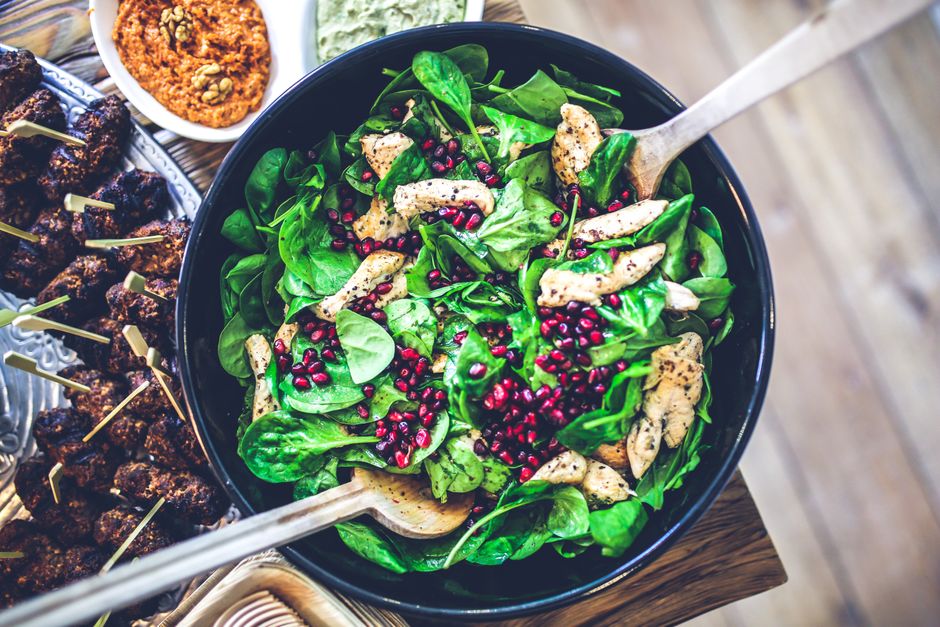
Many people experience occasional bloating, discomfort after meals, or a sense that their digestive system feels “off.” These symptoms can be linked to a weakened intestinal barrier, which allows unwanted substances to pass into the bloodstream and trigger inflammation. While the gut lining constantly renews itself, its resilience depends heavily on the nutrients we provide through food.
Polyphenols, a diverse group of plant compounds found in fruits, vegetables, nuts, seeds, tea, and cocoa, have attracted research interest for their ability to support the gut barrier. Unlike fiber, which primarily feeds beneficial bacteria, polyphenols interact directly with intestinal cells and the microbial community to promote a healthier environment.
Why it matters
The intestinal barrier consists of a single layer of epithelial cells held together by tight junctions. When these junctions become loose, a condition often referred to as increased intestinal permeability, bacterial fragments and toxins can enter circulation, contributing to low‑grade inflammation. Maintaining barrier integrity is therefore a key factor in overall digestive comfort and immune regulation. According to the CDC Nutrition resource, dietary patterns rich in plant‑derived compounds are associated with better gut health outcomes.
The science
Polyphenols exert their effects through several mechanisms. First, they act as antioxidants, neutralizing reactive oxygen species that can damage epithelial cells. Second, certain polyphenols modulate signaling pathways that tighten junction proteins such as occludin and zonulin, thereby reducing permeability. Third, they influence the gut microbiota by inhibiting the growth of harmful bacteria while promoting beneficial strains like Lactobacillus and Bifidobacterium. A systematic review of human trials found that daily intake of at least 500 mg of total polyphenols correlated with improved markers of barrier function in participants with mild digestive discomfortCDC Nutrition. Results vary from person to person, depending on baseline diet, microbiota composition, and genetic factors.
Practical strategies
Incorporating polyphenol‑rich foods does not require a drastic diet overhaul. Small, consistent additions can gradually increase your intake and support barrier health.
1. Choose colorful fruits and vegetables
Berries (blueberries, strawberries, blackberries), cherries, plums, apples, and grapes are high in flavonoids such as anthocyanins. Aim for at least one cup of mixed berries or a similar portion of other brightly colored produce each day. The skins often contain the highest concentration, so eating them whole maximizes polyphenol delivery.
2. Include nuts, seeds, and legumes
Walnuts, pecans, hazelnuts, flaxseeds, and chia seeds provide phenolic acids and lignans. Legumes like lentils and black beans also contribute polyphenols alongside fiber. A handful of nuts or a quarter cup of seeds added to salads, yogurt, or oatmeal is an easy way to boost intake.
3. Enjoy polyphenol‑rich beverages
Green tea, black tea, and herbal infusions such as rooibos deliver catechins and theaflavins. A couple of cups per day, preferably without excessive added sugar, can contribute meaningful amounts. Dark chocolate with at least 70 % cocoa offers flavonoids; a small square (about 10 g) a few times weekly is sufficient.
When planning meals, consider pairing these foods with a source of healthy fat (e.g., olive oil, avocado) because some polyphenols are better absorbed in the presence of lipids. Additionally, spreading intake across the day rather than consuming a large bolus may help maintain steady levels in the gut.
Common mistakes
- Relying solely on supplements while neglecting whole foods. Whole food matrices contain synergistic compounds that enhance polyphenol activity.
- Overcooking vegetables at high temperatures, which can degrade heat‑sensitive polyphenols. Steaming or quick sautéing preserves more of the active ingredients.
- Assuming that more is always better. Excessive intake of certain polyphenols, particularly from extracts, may interfere with iron absorption or cause gastrointestinal upset in sensitive individuals.
- Neglecting hydration. Adequate water intake supports the mucosal layer that works alongside the epithelial barrier.
When to seek help
If you experience persistent symptoms such as severe abdominal pain, chronic diarrhea, unexplained weight loss, or blood in the stool, consult a healthcare professional. These signs may indicate conditions beyond barrier dysfunction, such as inflammatory bowel disease, infections, or food allergies, which require medical evaluation and targeted treatment.
Key takeaways
- Polyphenols from fruits, vegetables, nuts, seeds, tea, and cocoa support gut barrier integrity through antioxidant, tightening‑junction, and microbiota‑modulating actions.
- Aim for a daily total of roughly 500 mg of polyphenols, which can be achieved with varied plant‑based foods and beverages.
- Whole food sources are preferable to isolated supplements because they provide additional nutrients and reduce the risk of adverse effects.
- Results vary from person to person; monitor your tolerance and adjust portions as needed.
- Seek medical advice for ongoing or worsening digestive symptoms.
Frequently asked
How long does it take to notice a difference? Some individuals report improved digestion within a few weeks of consistently adding polyphenol‑rich foods, while others may need longer. Changes depend on baseline diet, gut microbiota, and lifestyle factors.
Can I get enough polyphenols from coffee? Coffee contains chlorogenic acids, a type of polyphenol, but its overall contribution is lower than that of berries, tea, or cocoa. It can be part of a varied intake but should not be the sole source.
Are there any foods that block polyphenol absorption? High intake of calcium‑rich dairy consumed simultaneously with polyphenol‑rich meals may reduce absorption of certain flavonoids. Separating these by a couple of hours can help maintain bioavailability.
Should I avoid polyphenols if I have a sensitive stomach? Most people tolerate polyphenol‑rich foods well. If you notice discomfort after a specific item, try a smaller portion or an alternative source, and consider speaking with a dietitian for personalized guidance.
For full pricing, current offers, and the official guarantee, see the maker page for Primebiome.
Affiliate link · This may earn us a commission at no extra cost to you.
Editorial Reviews on This Topic
Our editorial team has reviewed individual supplements in this category. Compare verdicts and pricing for each:
Reader notes (0)
No notes yet. Be the first to share your protocol experience.