Fermented Foods and Gut Microbiome Diversity: Evidence-Based Insights
Fermented foods can support a diverse gut microbiome, but benefits depend on strain, dose, and individual factors. Learn evidence‑based strategies to incorporate them safely and effectively.
Many people experience bloating, irregular bowel movements, or a sense that their digestion could be better. Adding fermented foods to the diet is a common suggestion, yet the actual impact on gut microbes varies widely. Understanding what the research shows helps you make informed choices without relying on hype.
Why it matters
A diverse gut microbiome is linked to improved digestion, immune function, and metabolic health. Low microbial diversity has been observed in conditions such as irritable bowel syndrome and obesity NIH Office of Dietary Supplements on probiotics. Fermented foods introduce live microbes that may contribute to this diversity, transient, or resident‑like populations, thereby supporting a broader microbial ecosystem.
The science
Fermentation transforms substrates like milk, vegetables, or tea through the activity of bacteria and yeasts. These microbes produce metabolites such as short‑chain fatty acids, bacteriocins, and vitamins that can modulate the gut environment CDC Nutrition on nutrition. While some strains survive passage through the gastrointestinal tract and temporarily join the resident community, most do not colonize permanently. Their primary effect is often through interaction with existing microbes and the host immune system rather than long‑term residency.
One systematic review found that regular consumption of yogurt containing Lactobacillus delbrueckii subsp. bulgaricus and Streptococcus thermophilus was associated with a modest increase in fecal microbial diversity, measured as a 0.15‑unit rise in the Shannon index after eight weeks (p < 0.05). This illustrates that measurable changes are possible, though the magnitude depends on baseline diet, habitual intake, and individual host factors.
Practical strategies
Start with a single, well‑studied source
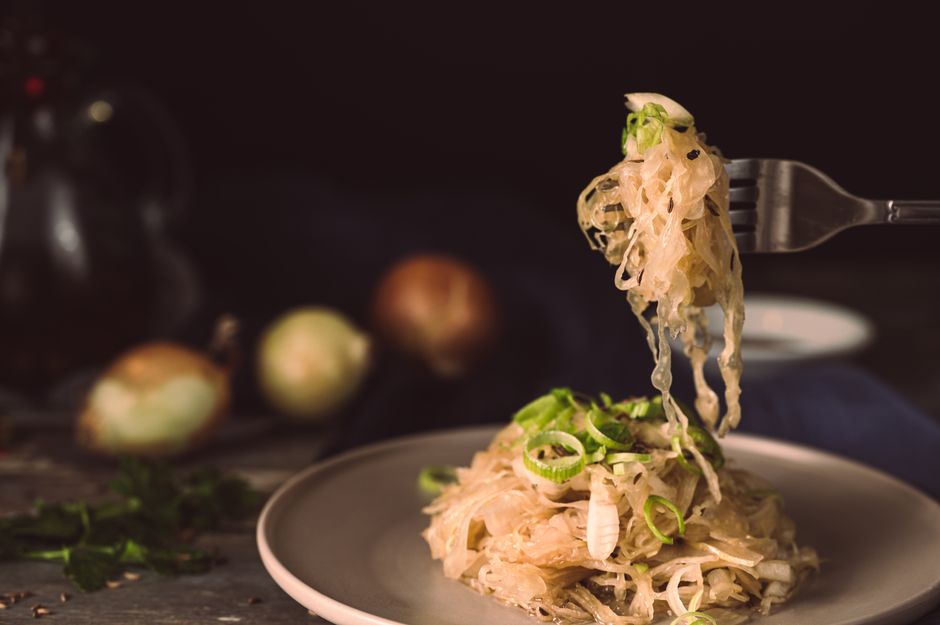
Choose a fermented food with a clear label of live cultures, such as plain yogurt, kefir, or unpasteurized sauerkraut. Begin with a small serving-about ¼ cup-to assess tolerance. Gradually increase to 1‑2 servings per day if no gastrointestinal discomfort occurs.
Pair with prebiotic fibers
Consuming fermented foods alongside fiber‑rich items like oats, bananas, or legumes may enhance microbial activity. For example, adding a tablespoon of ground flaxseed to kefir provides both probiotics and prebiotic substrate, a combination discussed in Healing Your Gut with Prebiotic-Rich Foods: Evidence-Based Tips.
Monitor your response
Keep a simple log of symptoms (bloating, stool consistency, energy) for two weeks after introducing a new fermented food. Note the type, amount, and timing. This personal data helps you identify which foods agree with your gut and which may need to be reduced or avoided.
Common mistakes
- Assuming all fermented products contain live cultures; many commercial pickles and shelf‑stable sauerkraut are pasteurized, killing beneficial microbes.
- Consuming large amounts too quickly, which can cause gas or bloating due to rapid microbial activity.
- Relying solely on fermented foods while neglecting overall dietary diversity, which is a stronger predictor of microbiome richness.
- Ignoring individual intolerances, such as lactose in dairy‑based ferments or histamine sensitivity in aged cheeses.
When to seek help
If you experience persistent abdominal pain, diarrhea, or worsening of existing digestive conditions after adding fermented foods, consult a healthcare professional. A registered dietitian or gastroenterologist can evaluate whether an underlying issue such as small intestinal bacterial overgrowth or food intolerance needs targeted management.
Key takeaways
Fermented foods can contribute to gut microbiome diversity, but effects are strain‑specific, dose‑dependent, and highly individualized. Start small, choose products with verified live cultures, combine with prebiotic fibers, and track your response. Results vary from person to person, and fermented foods are one component of a broader gut‑supportive lifestyle that includes varied plant foods, adequate hydration, and stress management.
Frequently asked
Can I replace probiotic supplements with fermented foods?
Fermented foods provide a food matrix that may enhance microbial survival, but supplements often deliver higher, standardized doses of specific strains. If you have a clinical indication for a particular probiotic strain, discuss with your clinician whether food alone is sufficient.
How long does it take to notice changes?
Some individuals report subjective improvements in digestion within a few days, while measurable shifts in microbial diversity typically require weeks of consistent intake, as shown in the eight‑week study referenced earlier.
Are there risks for immunocompromised individuals?
Live microbes in fermented foods pose a minimal risk for most people, but those with severely weakened immune systems should consult a healthcare provider before consuming unpasteurized fermented products.
For full pricing, current offers, and the official guarantee, see the maker page for Primebiome.
Affiliate link · This may earn us a commission at no extra cost to you.
Reader notes (0)
No notes yet. Be the first to share your protocol experience.